I wasn’t all that surprised by the overwhelmingly negative reaction to my article on voting. But I was surprised at its ferocity. I must have been insufficiently clear that I am not categorically against voting. Just that I gave the matter careful thought and decided against it this year.
Different people weighing the same arguments I did can easily come to a different conclusion. And that’s exactly why I put them out there. Not so people will do as I do, but to help them think for themselves and make the choice that’s right for them.
Then again, people do have an ingrained straw-man reflex. It often pops up when one’s sensibilities are offended. This easily happens with issues concerning democracy. Instead of taking seriously an idea you don’t like, just build a man out of straw that looks kind of like that idea, then knock it down and feel good about it.
That’s all well and good, but it’s hardly conducive to a civil exchange. It’s also a way to avoid having to take on the arguments that were actually made. I’ll just have to keep making them, then.
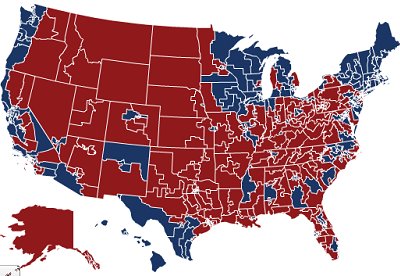
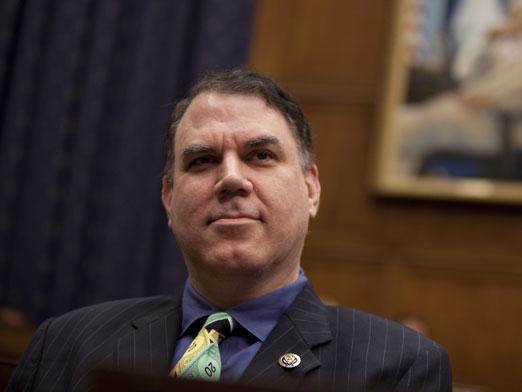
The math argument speaks for itself. Rep. Moran won re-election by 45,169 votes. I have one vote.
The expressive voting model provides a powerful reason for voting — for many people, much more powerful than the math. If I do vote in a future election, it will be for expressive purposes. After all, I’m not a categorical non-voter.
But I am mindful of alternative uses of my time. Voting is far from the only form of political participation. If I feel like I could be doing more good with the time I spend voting by doing something else, well then I’m going to do something else. If not, then I’ll vote. Different people will come up with different answers to that question. But one can’t assume it away, no matter how much one would like to.
There is only one argument people have lobbed at me that bothers me. It is that people who don’t vote lose the right to criticize government policies. That argument holds less water than a thimble. It also violates any reasonable notion of free speech, which is actually more important for democracy’s health than voting. As John Carney writes:
I’ve never understood this weird part of pseudo-democratic theory. It certainly isn’t part of the Constitution of the United States, which preserves the rights of free speech, free press and petitioning the government even for non-voters. If anything, the opposite should be true: by voting you are tacitly agreeing to abide by the outcome of the vote. By not voting, you are doing no such thing.