IRS Tax Help Would Hurt

I’m quoted in an article about the IRS’ proposal to do your taxes for you.
TSA’s High Failure Rate Is the Least of its Problems

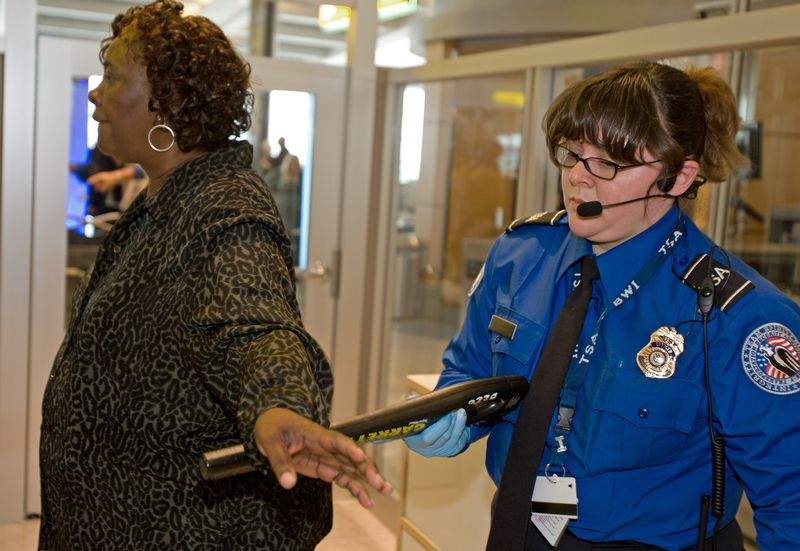
TSA scanners miss as many as 70 percent of banned items that passengers bring to security checkpoints, by some estimates.

The TSA’s PR staff is taking issue with the figures, but isn’t bothering to put out its own numbers.

The Economist points out:

Surely if TSA screeners were doing much better in covert testing, the agency would be eager to release the data. That hasn’t happened. You don’t have to be a cynic to think that the current, unreleased numbers might not be quite as impressive as the agency would like.

Also worth pointing out – there has not been a single successful terrorist attack even with all the contraband that makes it onto airplanes. This is because terrorism is rare. It just doesn’t cost very many lives compared to other threats.

These greater threats include automobile crashes (40,000 deaths per year), heart disease (616,067 deaths in 2009), and cancer (562,875 deaths in 2009). Terrorist attacks, on the other hand, are twenty times rarer than deaths by lightning strikes.

If policymakers were rational, they would give twenty times more attention to lightning strike prevention than to terrorism. But they aren’t, and they don’t. That means the TSA’s $8.1 billion budget, by using up resources that would save more lives elsewhere, will continue to cost more lives than it saves for the foreseeable future.

2010 Federal Register is Third-Largest Ever

Today is the last working day of 2010 which means the last edition of the 2010 Federal Register came out this morning. The final unadjusted page count is 82,589 pages. That’s the third highest ever.

Page counts are typically highest in years when power changes hands. This year was no exception. The two other highest unadjusted page counts occurred when Carter handed off to Reagan, and when Clinton handed off to Bush. The Bush-Obama handoff featured the largest-ever adjusted page count, 79,435.

This time, the spike happened with only the House changing parties. The next few years will tell us a lot. 2010’s high page count may have been a combination of this year’s ambitious legislation plus a midnight rush to get the White House’s regulatory wish list in place before the other team can block it.

Or, as in the past, it could be that we have reached a new, permanent plateau of frenzied federal activity.

I’m hoping for the former. But the Republicans in Congress are no friends of limited government, so one never knows. They will reliably oppose anything the other team comes up with. But as the Bush years showed, they’ll also vote for the exact same policies so long as it’s their team that’s proposing them. This is not a recipe for fiscal or regulatory health.

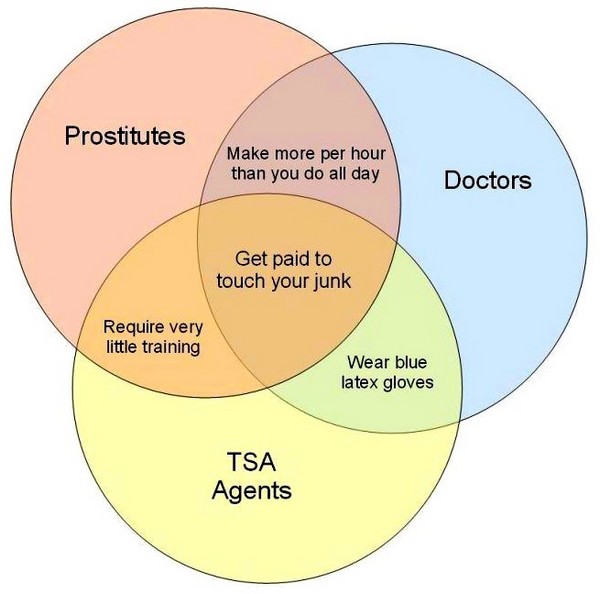
I Usually Avoid Puerile Humor on this Blog, but…

… this one was too good not to share.

Original version here.

CEI Podcast — December 28, 2010: IRS as Tax Preparer?

Have a listen here.

Fellow in Regulatory Studies Ryan Young looks at the IRS’ proposal to save you time by doing your taxes for you. Because you would be liable for any of the IRS’ mistakes, you would still have to check over your return. This negates much of the time savings. It could also cost employers as much as $5 billion in increased reporting requirements. Then there is the conflict of interest between your collector also being your tax preparer.

Ten Most-Trafficked Posts in 2010

These were the most popular posts at Inertia Wins this year. If you’re a new reader, by all means, have a look.

  1. Regulation of the Day 138: Dwile Flonking
  2. What’s at Stake for Entrepreneurs?
  3. Regulation of the Day 71: Waistlines
  4. TSA Roundup
  5. Regulation of the Day 94: Plastic Shopping Bags
  6. Regulation of the Day 91: Horse Floaters
  7. Regulation of the Day 135: Mustache Nets
  8. 140 New Regulations in Florida
  9. Regulation of the Day 15: The Color of Stitches
  10. Regulation of the Day 84: The Size of Holes in Swiss Cheese

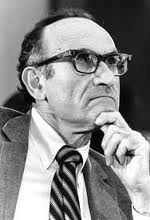
Alfred E. Kahn, 1917-2010

The man who deregulated air travel passed away yesterday at age 93. That man, Alfred Kahn, was a Cornell economics professor who did far more than teach. He revolutionized the role of economics in regulatory policy. He also did important work on electricity deregulation in addition to his famous work on deregulating air travel.

Kahn’s most famous book was The Economics of Regulation, which pointed out that regulations often hinder competition, not help it. His use of the economic way of thinking was distinctly unfashionable at the time. One of his greatest legacies is righting that wrong.

As a lifelong partisan Democrat, Kahn had credibility in political circles at a time when regulatory skeptics were shooed away from the corridors of power. After chairing the New York Public Service Commission, President Carter appointed him to lead the Civil Aeronautics Board in 1977, which he dismantled.

Before Kahn, airlines had to get permission from the CAB to establish new routes or terminate old ones. The CAB set ticket prices, not the market. This prevented profitable or high-demand routes from being given adequate service, and kept money-losing, little-traveled routes open. It prevented airlines from keeping up with their customers’ ever-changing needs.

The CAB was also a wonderful device for keeping pesky startups from competing with established industry giants such as Pan American. Southwest Airlines, for example, would only fly routes inside the state of Texas to avoid CAB regulations.

Once the CAB was abolished, Southwest and other small airlines tried out new business models and offering lower fares. Some of them prospered; others did a poor job giving people what they wanted and ceased to be. Today, air travel may not have the amenities it used to, but it cheaper, more flexible, and more adaptable than it was under the CAB.

Washington could use more people like Alfred Kahn. He had his successes in a few choice sectors of the economy, but many more still have Civil Aeronautics Boards of their own stopping them from reaching their potential. Let us learn from his example of a life well lived; a good place to start is Thomas McCraw’s Prophets of Regulation.

Words for the Wise

“But he was primarily an artist and therefore knew that in nature the intermediary colors predominate and an absolute white and an absolute black are rarely found.”

Hendrik WillemVan Loon, describing Desiderius ErasmusThe Praise of Folly.

Wise words for Republicans, Democrats, good-government types, anarchists, and all the other ideologies that suffer from too much Certainty.

Light Blogging Until Monday

I will be out of town the rest of the week to spend some quality time with family and friends. Normal blogging will resume on Monday.

Thanks.

-Mgmt.

Why DC Metro Bag Searches Won’t Work

Gene Healy on the random bag searches that are coming to DC’s Metro system:

It’s a good question. The policy clearly doesn’t add to safety.

Maybe it’s to make people feel safer; security theater rather than security.

Maybe it’s a make-work program for the overworked DC police department.

Maybe it’s rent-seeking. DHS hands out billions of dollars of grants to security companies. Maybe an explosive residue swab maker successfully lobbied the government to require DC police to use its products.

Only one thing is for sure: this isn’t about safety.