Category Archives: Uncategorized

Packers Beat Bears, Clinch NFC North

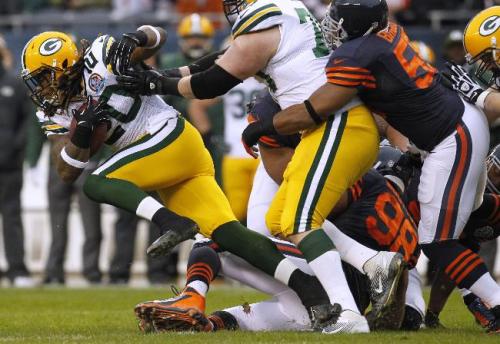
alex green bears run q1
Aaron Rodgers tossed for 291 yards, 3 touchdowns, all to James Jones, and no interceptions for a 116.8 passer rating. Chicago’s Brandon Marshall got his revenge by hauling in a Jay Cutler touchdown pass, but it wasn’t enough. Packers 21, Bears 13.

The 10-4 Packers clinched the division with the win, clinching a playoff berth. The Bears will now have to pull off a run for a wildcard slot.

All in all, a good day if you’re a Packer fan.

The Election Is Over. What Now for Regulation?


The people have spoken: despite dismal approval ratings, the House, Senate, and Presidency will all remain in the same hands. What are the consequences on the regulatory front? In the short run, it means a midnight rush of new rules is coming.

The deluge hasn’t started yet, as only 44 new regulations have been published this week in the Federal Register, a bit below the normal pace. But during the campaign, President Obama decided to postpone the enactment of several controversial rules until after the election. According to National Journal:

Federal agencies are sitting on a pile of major health, environmental, and financial regulations that lobbyists, congressional staffers, and former administration officials say are being held back to avoid providing ammunition to Mitt Romney and other Republican critics.

Now that this ammunition will no longer have electoral consequences, the EPA can move ahead on delayed rules on everything from greenhouse gas emissions to ozone standards. Rules from the health care bill and the Dodd-Frank financial regulation bill will also likely make themselves known in the weeks to come.

Of course, this would have happened however the election turned out. If Romney had won, the midnight rush might be even more severe. Not only would the delayed rules show up, but agencies would rush to pass as much of the outgoing president’s regulatory agenda as they can before the January 20 handoff. In that case, President Obama’s victory may result in fewer regulations, at least in the short term, than if Romney had won.

The last time the White House switched parties a Bush midnight rush resulted in 3,819 final rules being published in 2008, compared to 3,594 the year before. The 2000 election took place on November 7 of that year. Between then and Bush’s January 20 inauguration, Clinton’s executive branch published an impressive 935 final rules. A full calendar year at that pace would result in 4,675 regulations, nearly 200 more rules than the 4,490 that passed in 2000, and over 500 more than the 4,132 that passed in 2001. The trend is even more pronounced for economically significant rules, going back to at least the Reagan years. So the midnight rush phenomenon is thoroughly bipartisan.

Recall that the reason for midnight rushes in the first place is to avoid voter anger. My point is this: an even better way to avoid voter anger is to pass fewer regulations in the first place.

Regulation Roundup


Some of the stranger regulatory goings-on of late:

CEI Podcast for June 7, 2012: MACT the Knife


Have a listen here.

A new EPA regulation, the Utility MACT, is intended to cut mercury pollution from coal-fired power plants. According to the EPA’s own estimates, the rule is one of the most expensive in history. Are the costs worth it? Policy Analyst David Bier, co-author of a forthcoming CEI study, thinks the answer is no.

Gone Fishin’

I’ll be out of town over the long weekend, and mostly off-grid.

Regular blogging will resume on Tuesday.

More than Meets the Eye

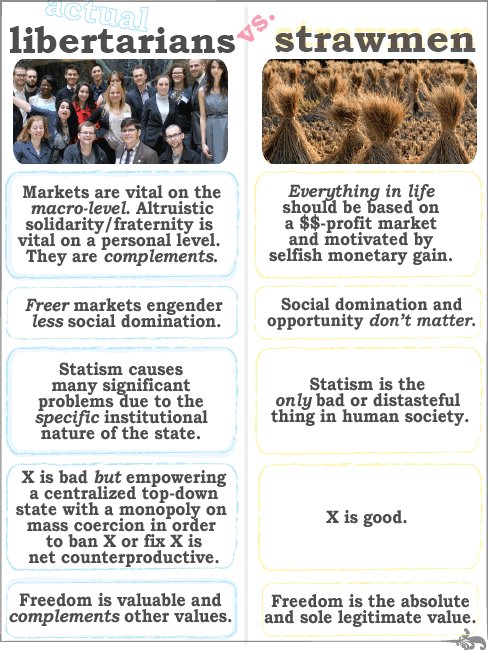
When people disagree with something, they are generally reluctant to ascribe depth or nuance to it. Its motives must also be checkered; how could anyone actually believe that?!

This picture, via St. Lawrence University economist Steve Horwitz, shows some examples that I encounter on practically a daily basis (click image to enlarge):

Super Bowl Wrap-Up

Congratulations to all you Giants fans out there. This recap video from Taiwan-based NMA.tv is too funny not to share, though it isn’t kind to either the Patriots or Madonna. Click here if the embed doesn’t work.

A Hidden Cost of Antitrust

Bryan Caplan argues that antitrust enforcement literally kills people. It’s a startling claim to make, but hear him out. One thing that people do when they have a lot of money is give to charity. Bill Gates, one of the richest men in the world, has given away billions of dollars and saved countless lives. If not for the Microsoft antitrust case back in the 1990s, he would be able to save even more people:

If Gates’ philanthropy is as efficacious as most people think, there’s a shocking implication: The antitrust case against Microsoft had a massive body count.  Gates saves about one life for every $5000 he spends.  If the case cost him $5B, and he would have given away 48%, antitrust killed 480,000 people.  If the case cost him $5B, and he would have given away every penny, antitrust killed a million people.  Imagine how many people would be dead today if the government managed to bring Microsoft to its knees, and Gates to bankrutpcy.  It staggers the imagination.

Conservative Values

Comedy gold with Rowan Atkinson. Click here if the embedded movie doesn’t work. Contains some offensive language.

The Simpsons and Immigration

Art Carden has an excellent column about immigration, and not just because the first third is about The Simpsons. One key point:

Also, making something illegal isn’t the same thing as stopping it. The formal barriers to legal immigration are so onerous and the opportunities in the United States are so great that there is a thriving underground market in smuggling people across the border. I fear that the institutional steps that would be required to completely stop illegal immigration would make the current excesses of the Transportation Security Administration look like child’s play. Even if we grant the assumptions of immigration opponents about the costs of immigration, it is by no means clear that Fortress USA would bear any resemblance to a “land of the free.”

Read the whole thing. My colleague Alex Nowrasteh and I made a similar point last year.